SPARTITI METODI PER CHITARRA

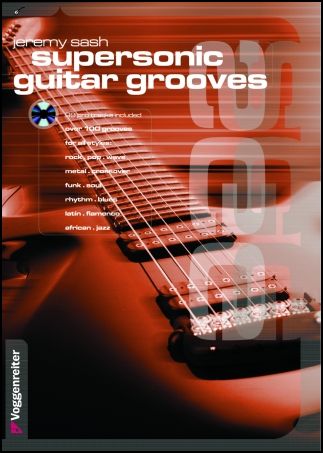
SUPERSONIC GUITAR GROOVES Jeremy Sash CD GUITAR TABLATURE METAL CROSSOVER AFRICAN RHYTHM JAZZ

SUPERSONIC GUITAR GROOVES, Jeremy Sash. CD TABLATURE

Product Description:
The goal of this book is to promote rhythmically and harmonically challenging phrases and licks in order to give you an authentic inside view on seven selected styles. Live or in a recording session, playing rhythm is the guitarist's main duty. This makes it even harder to understand why most guitarists' rhythm work (frankly) sounds rather unrehearsed and colorless.

Especially since working with drum machines and samplers has become a vital part of musical performance, a good sense of rhythm, and some cool licks may just be your "key to success."

Format: Book/CD Set
ISBN: 0786652594
UPC: 796279066914
ISBN13: 9780786652594
Voggenreiter
136 PAGES


99 PRO TRACKS INCLUDED
OVER 100 GROOVES FOR ALL STYLES:
ROCK - POP - WAVE
METAL - CROSSOVER
FUNK – SOUL
RHYTHM – BLUES
LATIN – FLAMENCO
AFRICAN - JAZZ

You could improve your rhythmical abilities with some simple methods:
- Please stop practicing rhythm-playing without a metronome!
This unstable ''do-it-yourself-groove" will get you nowhere. Use your
time more effectively: you haven't got enough of it anyway (or does
your girlfriend (boyfriend) have 17 favorite hobbies?).

- Set your metronome (please do not use manual ones) so that it clicks
on beats 2 and 4. You are emphasizing beats 1 and 3 yourself. Place a
piece of cardboard under your foot and tap the clicks of the metronome.
If you can't detect the metronome's click anymore, that's a sign
that you're playing "in time". Isn't it simple to produce a feeling of success?

It is extremely important to be totally Jltight". But there are also situations
in which a more Jllaid back" feeling is more appropriate. It is my guess
that most of you play more ahead of the beat" than ''laid back"!
Your adrenaline takes care of this and mostly you can't help it. That's why
you should also practice playing ''laid back":
Tap your foot a little ''behind" the beat.

- Dynamics! Do yourselves a favor and watch your dynamics while playing.
Imagine talking monotonously, without constantly raising or lowering
your voice. Would this sound very passionate? Well that's how you
will sound if you do not make dynamics a part of your playing.

- Most of the time, a bass or keyboard player will accompany you. For
this reason, it's better to avoid ''root" voicings whose highest and
lowest notes get in your fellow musicians' way. They will do everything
for you if you avoid clashing with them on every other voicing (remember:
you might need some extra hands next time you're moving).
It doesn't matter what you're playing. It's HOW you play it!
- Not 150 notes per second will do the trick, but the ''attitude" and feel
behind the notes.
- Being 120% convinced of what you're playing makes the difference
(often referred to as ''tone").


CONTENTS
"SUPERSONIC" THOUGHTS .

GROOVE .
NOTES .
SOUND .
WARMING UP .
NOTATION .
CD .

CHAPTER 1 - RHYTHM & BLUES .
CHAPTER 2 - JAZZ .
CHAPTER 3 - FUNK & SOUL .
CHAPTER 4 - ROCK & POP & WAVE .
CHAPTER 5 - METAL & CROSSOVER .
CHAPTER 6 - LATIN & FLAMENCO .
CHAPTER 7 - AFRiCAN .

THANKS .
LAST WORDS .

Prezzo: €21,99
€21,99

GUITAR JOURNALS ROCK. 120 Pagine. CD TAB

GUITAR JOURNALS ROCK. 120 Pagine. CD TAB

Product Description:
Mel Bay’s latest series, Guitar Journals, is the ultimate reference guide of studies and solos in several different genres. Finally, there is a volume focused directly to "Rock Guitar", which includes a wealth of exercises and tunes ideal for everyday use - perfect for the student to the professional musician wishing to have a wide range of rock examples to add to their repertoire. Rock rhythms, barre chords, scales, power chords, solos and much more are all covered; a must-have! All music in notation and tablature. Hard cover, covered spiral binding and premium stock paper make this a volume so beautifully printed and bound and containing so much valuable information that you will treasure it for years to come! Companion CD of examples included. Also available as 21796BCD and 21797BCD.

-Ultimate guide of rock exercises and solos and perfect reference manual for everyday use

-Wide range of examples from Johnny Winter to Randy Rhodes to Jimi Hendrix to Eric Clapton

-Tons of rock rhythms, chords, scales and tunes perfect for the student to the professional musician

-Beautiful hard cover with covered spiral binding and premium paper

-Companion CD included

-In notation and tablature

Product Number: 20894BCD
Format: Book/CD Set
ISBN: 078660719X
UPC: 796279037204
ISBN13: 9780786607198
Series: Guitar Journals

Contents:

Parts of the Guitar
Care of the Guitar

Holding Position

Tuning

Reading The Music Diagrams
Left Hand Fingers

Music Fundamentals

Strum Bars

Open Chords
Major Chords
Minor Chords
Seventh Chords

Open Chord Exercises

Barre Chords
Barre Chords With Root On Sixth String
Barre Chords With Root On Fifth String

Barre Chord Exercises
Barring Low
Barring Around
Sore Digits
Pass The Barre

Integration
The Arch

Power Chords
Open Position Power Chords
Moveable Power Chords
Progressions
Twelve Bar Blues

Rhythms

Power Chord Add Ons

Power Trip

Rock Comping

Famous Rock Rhythms
The Backbeat Rhythm
The Eighth Note Rhythm
The Twist Rhythm
The 5-6 Rhythm
The Rock Around The Clock Rhythm
The 50's Triplet Rhythm
The Power Chord Rhythm
The Bo Diddley Rhythm
The Not Fade Away Rhythm
The "Louie Louie" Rhythm
The Wild Thing Rhythm
The Get Off My Cloud Rhythm
The "Sunshine Of Your Love" Rhythm
The Basic Latin Rhythm
The "La Bamba" Rhythm
The "Sloop John B" Rhythm
The Boom Chick-A Boom Rhythm
The "Smokestack Lightning" Rhythm

Scales
Open E Minor Pentatonic
Open A Minor Pentatonic
Moveable Minor Pentatonic Scales
Pentatonic Sequence 1
Pentatonic Sequence 2
Pentatonic Sequence 3
Pentatonic Sequence 4

Minor Pentatonic Scales

Major Pentatonic Scales

The Major Scale

Minor Scales
Natural Minor
Harmonic Minor

The Blues Scale

Mixolydian Mode

Dorian Mode

Horizontal Scale Patterns

The Tie

The Slur

The Slide

Vibrato
Vibrato Study
Bending The Blues

Double Stops
Dallas Drive

Bends
How To Read Bends
A Minor Pentatonic Bends
In The Fifth Position
A Minor Pentatonic Bends
In The Twelfth Position

Bending Examples

Harmonics

The Whammy Bar
The Dip
The Dive
The Scoop
Vibrato

Tapping

Lead Slide Guitar
A Major Slide Scale

E Blues For Slide

Position Playing In The Key Of E
E Positions
A Positions
B Positions

Chicago Blues

Position Playing In Other Keys
G Positions
D Minor Positions
C Positions
Bb Positions

A Higher Standard

Hot Licks To An A Major Chord
And It's Extentions
Minor 7th, 9th,11th And 13th

Hot Licks To An A Minor Chord
And It's Extensions
Minor 7th And Minor 9th

Super Licks In the Style Of
Jimmy Page And Randy Rhoads

Speed Licks In The Style Of
Mark Knoppler and Eddie Van Halen

Rock Solo No. 1 In The Style Of
Joe Walsh and Jimmy Page

Rock Solo No. 2 In The Style Of
Johnny Winter And
Southern Rock Pickers

Rock Solo No. 3 In The Style Of
Randy Rhodes, Brian May And Steve Vai
Solo In The Style Of Jimi Hendrix No. 1
Solo In The Style Of Jimi Hendrix No. 2
Solo In The Style Of Jimi Hendrix No. 3
Solo In The Style Of Jeff Beck No. 1
Solo In The Style Of Jeff Beck No. 2
Solo In The Style Of Eric Clapton No. 1
Solo In The Style Of Eric Clapton No. 2
Solo In The Style Of Steve Ray Vaughn
Solo In The Style Of Jimmy page
Solo In The Style Of Chuck Berry

Prezzo: €25,00
€25,00

ALL ABOUT GUITAR A Fun and Simple Guide to Playing Guitar, Tom Kolb. CD TABLATURE

ALL ABOUT GUITAR A Fun and Simple Guide to Playing Guitar, Tom Kolb.

1979 -Ain't Talkin' 'Bout Love -Come As You Are -Cross Road Blues (Crossroads) -Down On The Corner -Dust In The Wind -Fun, Fun, Fun -Iron Man -La Bamba -La Grange -Love Song -Norwegian Wood (This Bird Has Flown) -Pride And Joy -Rhiannon -Smells Like Teen Spirit -Smoke On The Water -Substitute -Sultans Of Swing -Sweet Child O' Mine -Takin' Care Of Business -The Thrill Is Gone -Time -Walk Don't Run -You've Got A Friend. 208 pages. CD TABLATURE

Series: Guitar Book
Softcover with CD - TAB
Author: Tom Kolb

Have you struggled through tedious lessons and boring instruction books in your desire to learn to play the guitar? If you wish there was a fun and engaging way to motivate you in your guitar playing quest, then this is it: All About Guitar is for you. Whether it's learning to read music, playing in a rock band, finding the right instrument, or all of the above, this enjoyable guide will help you to finally start playing your favorite songs in many different styles. Plus, learn interesting tidbits on guitar gear, care and maintenance, and other fun stuff about the guitar. This fun-filled, easy-to-use guide includes:

- An introduction to guitars

- Step-by-step music reading instruction

- Background on various styles of music, including dozens of favorite songs

- Performing tips.

25 songs, including: Come as You Are - Cross Road Blues (Crossroads) - Dust in the Wind - Iron Man - Norwegian Wood (This Bird Has Flown) - Pride and Joy - Smoke on the Water - Substitute - Sultans of Swing - Sweet Child O' Mine - Takin' Care of Business - You've Got a Friend - and more. 198 pages.

Table of contents
Ain't Talkin' 'Bout Love
Birthday Song
Come As You Are
Cross Road Blues (Crossroads)
Down On The Corner
Dust In The Wind
Fun, Fun, Fun
Iron Man
La Bamba
La Grange
Love Song
My Bonnie Lies Over The Ocean
1979
Norwegian Wood (This Bird Has Flown)
Ode To Joy
Pride And Joy
Rhiannon
Scarborough Fair
Smells Like Teen Spirit
Smoke On The Water
The Streets Of Laredo
Substitute
Sultans Of Swing
Sweet Child O' Mine
Takin' Care Of Business
The Thrill Is Gone
Time
Walk Don't Run
When The Saints Go Marching In
Wildwood Flower
The Yellow Rose Of Texas
You've Got A Friend

The world would be a strange place without the guitar. Think about it-who would accompany all those campfire sing-alongs at the beach? Ever try to drag a baby-grand piano across the sand? What would John, Paul, and George have strapped on their shoulders on the "Ed Sullivan Show?" Accordions? What instrument would be casually propped in a corner of your living room, or lovingly tucked away in a case under your bed? A tuba? Well, maybe. Thankfully, we don't have to worry about those scenarios because the guitar is a reality. In actuality, it's the most popular instrument in the world.
The mere fact that you are holding this book in your hands proves that you're at least casually interested in the guitar. Or, maybe you really want to learn how to play. Perhaps you simply want to purchase a guitar for a friend or loved one. Or you're a professional guitarist who's looking for source material with which to teach beginners or intermediates. If you fit any of these descriptions, then there's something in All About Guitar for you. I truly hopeyou enjoy this bookand find it useful. Good luck, and may music always be a part of your life. -Tom Kolb

ABOUT THIS BOOK
From a general viewpoint, All About Guitar is geared toward the beginning to intermediate guitarist who wishes to learn and improve his or her playing. More importantly, it's an easy-tofollow manual to guide him or her through various guitar-related subjects, such as purchasing a guitar; changing strings; buying gear (amplifiers, effects, cords, etc.); famous players; and essential listening. AAG is also an entertaining read for those who are simply interested in the guitar and its role in music. Furthermore, AAG, unlike similar publications, uses copyrighted (read: popular) songs, selected riffs and solos, and five full-blown songs (see Section 5) to demonstrate key factors of guitar playing in various styles.

Do I Need To Read Music?
Good news! You don't need to read a fly-spec of music to benefit from AAG. Although traditional music notation appears throughout the book, it's accompanied by a user-friendly brand of guitar notation known as tablature. Tablature is a logical, visual system that tells you what string to play and what fret to press down on. Very simple! Also, there are pictures and diagrams that show you how to form chords. And don't forget the accompanying CD. All of the examples in the book are performed on the CD, so you can learn by simply listening.
Here's a guideline you can follow to help take in the information in the book:
• Look at the pictures and diagrams. Much can be learned by simply copying the hand positions
shown in the photos, or the fingerings depicted in the diagrams.
• Follow the guitar tablature. This easy-to-follow system tells you exactly which strings to
pluck and what frets to press down on.
• Listen to the CD for reference. Some people learn just by listening. Use the CD to aurally
reinforce the visual information in the book.
• Gradually rely on the music staff as you improve. This is not absolutely necessary. As a matter of fact, many great guitarists can't read music. But if you're interested in learning to read traditional music notation, it's located right above the tablature examples in the book.

ALL ABOUT GUITAR
Do , Need an Electric or Acoustic Guitar?
It makes no difference if you own an electric or acoustic guitar. If your guitar has six strings (instead of four or 12), it's a standard guitar and, if set up and tuned properly, behaves like any other six-string guitar. All of the examples in this book are playable on either an electric or acoustic guitar. If, for example, you don't own a guitar, this book will help you find the right instrument that will fill your needs and fit your budget (see Chapter 22).

ABOUT THE CD
The majority of the music examples found in AAG are performed on the accompanying CD. To locate the appropriate audio example, simply match the audio-icon number (located in the left margin) with the track number on the CD. Some tracks include two or more performances. In these cases, "minutes and seconds" information is given, which indicates where each example is located within the track. In most cases, the featured guitar is mixed hard right (right side of your stereo system), with the backing instruments mixed hard left. This allows you to isolate the guitar example by dialing your balance knob to the right, eliminating (or diminishing) the volume level of the backing instruments. You can also dial out the featured guitar by spinning the balance to the left. In this way, you can play along to the rhythm track without the interference of the featured guitar. (If your system doesn't have a balance control, you can isolate either side by disconnecting one of the speakers. If you're using headphones or earphones, simply remove either the left or right side from your ear.) Each example on the CD is preceded by the sound of clicking drumsticks performing a "count off." The count off is an aural warning that sets the tempo (speed) of the example and tells you when to begin. Think of it as having your very own instructor saying, "One-two-readybegin." If the example is in 4/4 time (see "Playing a Chord Progression," Chapter 7), the sticks will click four times. Examples in 3/4 time have three clicks up front.

COMMON TERMS USED IN THIS BOOK
There are several descriptive terms that you'll occasionally encounter as you work your way through the book. Here is a list of these terms and their definitions: Higher: Generally, this means higher in pitch (see "A Crash Course on the Music Staff," Chapter 8), or "up" the neck (fretboard), toward the body of the guitar. Lower: This is the opposite of higher, and translates to "down" the neck (fretboard), or toward the guitar's headstock (where the tuning pegs are located). Right handlleft hand: We know that not everyone is right-handed, but for the sake of continuity the direction "right hand" will correspond to the picking/strumming hand (the hand that strikes the strings), with "left hand" referring to the fretting hand (the hand that presses the strings to the fretboard). If you choose to play the guitar left-handed, think of the right hand as your left, and vice-versa. Guitar: When the word "guitar" is used in this book, it refers to a standard six-string guitarnot a 12-string, seven-string, or any such derivative.


BRIEF CONTENTS

INTRODUCTION .
About This Book .
About the CD .
Common Terms Used in This Book .
Icon Legend .
SECTION 1 Preparation .
Chapter 1: Guitar Anatomy .
Chapter 2: Tune Up or Tune Out .
Chapter 3: Necessary Equipment .
Chapter 4: Proper Posture .
Chapter 5: Practice Habits ,
SECTION 2 Playing 101 .
Chapter 6: Guitar otation .
Chapter 7: Basic Chords .
Chapter 8: Playing Melodies .
SECTION 3 Advanced Playing .
Chapter 9: Seventh Chords .
Chapter 10: Barre Chords .
Chapter 11: Power Chords .
Chapter 12: The Pentatonic Scale .
Chapter 13: Making Your Guitar Sing .
SECTION 4 Stylistic Playing .
Chapter 14: Rock .
Chapter 15: Blues .
Chapter 16: Folk/Country .
SECTION 5 Full Song Transcriptions .
Chapter 17: "Fun, Fun, Fun" .
Chapter 18: "The Thrill Is Gone" .
Chapter 19: "Smoke on the Water" .
Chapter 20: "Dust in the Wind" .
Chapter 21: "Smells Like Teen Spirit" .
SECTION 6 Equipment .
Chapter 22: Guitars, Guitars, Guitars .
Chapter 23: Amps .
Chapter 24: Accessories .
Chapter 25: Putting On New Strings .
SECTION 7 Who's Who .
Chapter 26: Ten Groundbreaking Guitarists .
Chord Chart ,
About the Author .
Acknowledgments '
Musicians


FULL CONTENTS

Introduction .
About This Book .
Do I Need to Read Music? .
Do I Need an Electric or Acoustic Guitar? .
About the CD .
Common Terms Used in This Book .
Icon Legend .

SECTION I • Preparation .

Chapter 1: Guitar Anatomy .
Electric VS. Acoustic .
Parts of the Guitar .
How Acoustic Guitars Work .
How Electric Guitars Work .
How the Guitar Is Played .
String Length and Pitch .
Fretting the Instrument .
Using Both Hands .

Chapter 2: Tune Up or Tune Out .
Names and Pitches of the Strings .
String Numbering System .
Names of the Strings .
Tuning the Guitar to the CD .
Tuning the Guitar to a Piano .
Tuning the Guitar to Itself .
The Fifth-fret Tuning Process .
Tuning "With Harmonics .
Tuning "With an Electronic Tuner .
Other Tuning Methods .

Chapter 3: Necessary Equipment .
Should I Learn on an Acoustic or an Electric Guitar? .
Acoustic Guitar .
Electric Guitar .
Accessories .
Guitar Case .
Picks .
Shoulder Strap ,
Extra Strings ,
Guitar Cloth ,
Do I Need an Amplifier? .

Chapter 4: Proper Posture .
Playing While Seated .
Playing While Standing .
Right-hand Position .
Playing With a Pick .
Fingerpicking (a.k.a. Fingerstyle) .
Left-hand Position .
Home-base Position .
Fretting Notes .

Chapter 5: Practice Habits .
Preparing to Practice .
Location .
Materials .
Time Allotment .
Creating a Practice Schedule (Power Practicing) .
How Much Should I Practice? .
What Should I Practice? .
Putting It All Together .
Dividing Your Time .
Setting Goals .
Practicing Away From the Guitar .
Ear Training .

SECTION 2 • Playing

Chapter 6: Guitar Notation .
Tablature .
Chord Frames .
Box Patterns .
Chapter 7: Basic Chords .
Playing Your First Chord .
The E Major Chord .
Yuck-That Doesn't Sound Right .
Chord Families .
A-family Chords .
A and D Major .
Strumming and Changing .
Playing a Chord Progression .
Playing and Singing a Song in the Key of A .
"When the Saints Go Marching In" .
D-family Chords .
The G Major Chord .
A New Strumming Pattern .
A Classic Progression .
G-family Chords .
C and Am Chords .
Playing a Progression in the Key of G .
Playing a Cowboy Song in the Key of G .
"Streets of Laredo" .
C-family Chords .
Em, Dm, and F Chords .
Putting C-family Chords to Good Use .
Using C-family Chords in a Minor Way .
"Scarborough Fair" .
Ice Cream Changes .

Chapter 8: Playing Melodies .
Picking Out Your First Scale .
The C Major Scale .
A Crash Course on the Music Staff .
Left-hand Fingering .
Playing Melodies in the Key of C .
Extending the C Major Scale Pattern .
Playing Songs in the Key of C .
"Ode to oy .
"Birthday Song" .
"YellowRose of Texas" .
"My Bonnie Lies Over the Ocean" .
The Relative A Minor Scale ,
Playing A Minor Scale Melodies .
Gaining Speed With Alternate Picking .
"Yankee Doodle" '
"Sailor's Hornpipe" ,

SECTION 3 • Advanced Playing .

Chapter 9: Seventh Chords .
Major-seventh Heaven .
Cmaj7, Fmaj7, Dmaj7, Amaj7, Gmaj7, and Emaj7 Chords .
Major-seventh Chord Progressions and Advanced Rhythms .
Dominant-seventh Chords .
G7, E7, A7, D7, C7, and B7 Chords .
The Shuffle Feel .
Shuffling Dominant-seventh Chords .
Minor-seventh Chords .
Em7, Am7, and Dm7 Chords .
Alternate Em7 and Am7 Voicings .
Sixteenth-note Rhythms .
Getting Funky With Minor-seventh Chords .
Mixing It All Together .

Chapter 10: Barre Chords .
Beyond Open Position .
The E-based Barre Chord .
Minor Barre Chords .
Other E-based Barre Chords .
A-based Barre Chords .
Major, Minor, Dominant Seventh, Minor Seventh, and Major Seventh ..
Playing Progressions With E-based and A-based Barre Chords .
Transposing .

Chapter 11: Power Chords .
What Is a Power Chord? .
E-based Power Chords .
"Iron Man" .
A-based Power Chords .
Palm-muting Power Chords .

Chapter 12: The Pentatonic Scale .
The Lead Guitarist's Best Friend .
What Is the Pentatonic Scale? .
The Open-position E Minor-pentatonic Scale .
E Minor-pentatonic Riffs and Licks .
Soloing in Different Keys .
Jamming "With the Minor-pentatonic Scale .
The Major-pentatonic Scale .
The Open-position G Major-pentatonic Scale .
The Movable Major-pentatonic Pattern .
Major-pentatonic Licks .
Major-pentatonicJams .
Chapter 13: Making Your Guitar Sing .
Legato .
Hammer-ons .
Pull-offs .
Combining Hammer-oilS and Pull-offs .
Slides .
Bends .
Vibrato .

SECTION 4 • Stylistic Playing .

Chapter 14: Rock .
Rock Rhythm Guitar .
Chuck's Boogie .
"Takin' Care of Business" .
Two-note Rock .
"1979" .
"Rhiannon" .
Big, Fat Open Chords .
Sus Chords and Add Chords .
Triads and Pedal-tones .
"Substitute" .
Rock Lead Guitar .
Single-string Riffs .
"Down on the Corner" .
"Come As You Are" .
"La Bamba" .
"Sweet Child 0' Mine" .
"Ain't Talkin' 'Bout Love" .
Rock Soloing .
"Cross Road Blues (Crossroads)" .
"La Grange" .
"Walk Don't Run" .
"Sultans of Swing" .
"Time" .

Chapter 15: Blues .
The 12-bar Blues Form .
Blues COlnping .
Boogie Patterns .
Chords .
Blues Soloing .
The Blues Scale .
Little Blues Boxes .
Playing a Blues Solo .
Intros and Turnaround Licks .
"Pride and Joy" .
Other Blues Progressions .

Chapter 16: Folk / Country .
Folk and Country Strumming .
Alternating-bass Rhythms .
Carter Strumming ,
"Wildwood Flower" '
Fingerstyle '
Arpeggio Patterns '
"Love Song" .
Travis Picking .
Using a Capo .
" orwegian Wood (This Bird Has Flown)" .
"You've Got a Friend" .
Hot Country Licks .
Bluegrass Runs .
Hybrid Picking .

SECTION5 Full-song Transcriptions .

Chapter 17: "Fun, Fun, Fun" . COMPLETA
Tone Tips .
Song Structure .
The Chords and Rhythms .
The Verses .
The Choruses and Outro .
The Solos .

Chapter 18: "The Thrill Is Gone" . COMPLETA
Tone Tips .
Song Structure .
The Chord Progression .
The Soloing .
Chapter 19: "Smoke on the Water" . COMPLETA
Tone Tips .
Song Structure .
The Main Riff .
The Verse Arpeggios .
The Chorus Chords .
The Outro Riffs .
The Solo .

Chapter 20: "Dust in the Wind" . COMPLETA
Tone Tips .
Song Structure .
The Fingerpicking Pattern .
The Voicings .
Putting It All Together .

Chapter 21: "Smells Like Teen Spirit" . COMPLETA
Tone Tips .
Song Structure .
Strumming the Main Riff .
The Secondary Riffs .
Melodic Soloing .
The Effects-pedal Soft-shoe Dance .

SECTION 6 • Equipment .

Chapter 22: Guitars, Guitars, Guitars .
Acoustic Guitars .
Steel-string Acoustic .
Nylon-string (Classical) .
Acoustic/Electric .
Electric Guitars .
Solidbody Electrics .
Hollowbody Electrics .
Specialty Guitars .
12-string Guitars .
Seven-string .
Baritone Guitar .
Purchasing a Guitar .
What Type of Guitar Do I Want? .
Taking the First Step .
Eureka-I Found It! .
Closing the Deal .

Chapter 23: Amps .
How Does an Amp Work? .
Practice Amps .
Performance Amps .
Combo Amps .
Head/Cabinet Amps .
Specialty Amps .
Dialing In a Tone .

Chapter 24: Accessories
Just In Case .
Gig Bags
Hard-shell Cases
Flight Cases .
Pickups .
Single-coils and Humbuckers
Strings
Odds & Ends
Capos ..
Slides
Cables
Straps
Picks
Headphone Amps
Electronic Tuners
Guitar Stands
String-changing Tools
Chapter 25: Putting On New Strings
Changing Strings
Removing Old Strings
Stringing-up Acoustics .
Changing Nylon Strings
Re-stringing an Electric Guitar
Whammy-bar Frustration

SECTION 7 • Who's Who

Chapter 26: Ten Groundbreaking Guitarists
Andres Segovia (1893-1987)
RobertJohnson (1911-1938)
Charlie Christian (1916-1942)
Django Reinhardt (1910-1953)
Chet Atkins (1924-2001)
B.B. King (1925-) .
Chuck Berry (1926-) ..
Eric Clapton (1945-)
Jimi Hendrix (1942-1970) .
Eddie Van Halen (1955-)
Chord Chart
About the Author.
Acknowledgments
Musicians
 

Prezzo: €20,99
€20,99

ZEN GUITAR, BOOK OF SIX STRINGS, P. Toshio Sudo, Tobias Hurwitz. CD TABLATURE

ZEN GUITAR, BOOK OF SIX STRINGS, P. Toshio Sudo, Tobias Hurwitz. CD TAB.

By Philip Toshio Sudo And Tobias Hurwitz. For Guitar. Guitar Method or Supplement. Book & CD. Published by National Guitar Workshop Publications. Philip Toshio Sudo, founder of the Zen Guitar movement, and guitarist and educator Tobias Hurwitz present this follow-up to the best-selling book Zen Guitar. Inside are musical examples that help bring the Zen philosophy to life on anyone's guitar. Learning these ancient ideas can help guitarists become more "in the moment" in their musical approach. The Book of Six Strings helps guitarists break out of a creative rut and take playing to the next level. This book's centerpiece is "One Sound One Song," composed by Philip Toshio Sudo as a musical launching pad for Zen Guitar exploration. Included are inspirational quotes, philosophical concepts and historical facts mixed in with the musical examples. Also included is a CD demonstrating all of the examples in the book. This book is the ideal choice for those looking to be inspired and to deepen their spirituality and musical understanding.

Prezzo: €19,00
€19,00

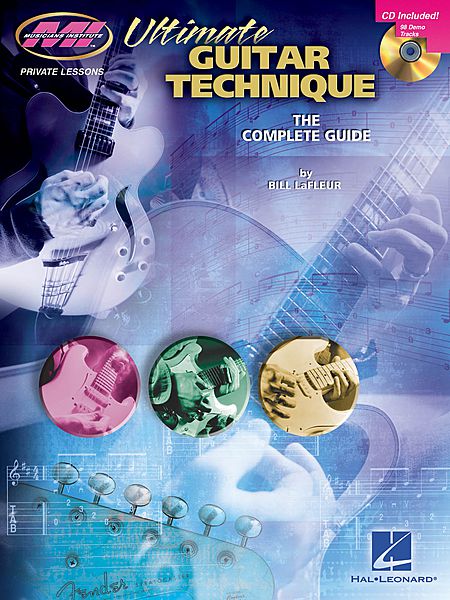
ULTIMATE GUITAR TECHNIQUE-Bill LaFleur-Musicians Institute CD TABLATURE CHITARRA TECNICA

ULTIMATE GUITAR TECHNIQUE, THE COMPLETE GUIDE. Bill LaFleur. Musicians Institute - PRIVATE LESSONS. SHEET MUSIC BOOK WITH CD & GUITAR TABLATURE

LIBRO DI MUSICA, ROCK, CLASSICAL, LATIN, FOLK, METAL, JAZZ, 

METODO DI TECNICA PER CHITARRA. 

SPARTITI PER CHITARRA CON: 

ACCORDI, PENTAGRAMMA, TABLATURE. 

Publisher: Musicians Institute Press

From bends and picking styles to multi-finger tapping and animal sounds, this book/CD pack contains loads of guitar techniques to learn and master. Hone your skills with chop-building exercises, and use the demonstration CD to master every technique in the book. Includes: chop-building exercises - tremolo bar, tapping, harmonics - bends, slurs, slides - picking styles, rakes - fret-hand techniques - pick-hand techniques - lead and rhythm guitar - rock, classical, Latin, folk, metal, jazz and more - tricks and sound effects - standard notation and TABLATURE

Prezzo: €25,99
€25,99

GUITAR FOR DUMMIES (2ND EDITION). CD-ROM. TABLATURE

GUITAR FOR DUMMIES (2ND EDITION). CD-ROM. TABLATURE

This newly updated guide offers expanded coverage on musical styles from blues to rock as well as a new chapter devoted to jazz. Guitar for Dummies 2E features new practice techniques -- from scales to full pieces. Guitar for Dummies 2E also includes updates to charts, illustrations, photos and resources. Guitar for Dummies 2E features updates on tuning as well as the latest information on buying a guitar and accessories. Plus an all-new interactive CD allows readers to listen, learn, tune, and play along. Perfect for beginner to intermediate guitar players seeking step-by-step advice and tips to play the guitar.

Introduction
About This Book
Finding a guitar
Playing the guitar
Caring for your guitar
Not-So-Foolish Assumptions
What You're Not to Read
Conventions We Use in This Book
How This Book Is Organized
Part I: So You Wanna Play Guitar
Part II: So Start Playing: The Basics
Part III: Beyond the Basics: Staring to Sound Cool
Part IV: A Cornucopia of Styles
Part V: Purchasing and Caring for Your Guitar
Part VI: The Part of Tens
Part VII: Appendixes
Icons Used in This Book
Where to Go from Here

Part I: So You Wanna Play Guitar

Chapter 1: Guitar 101
Anatomy of a Guitar
How Guitars Work
String vibration and string length
Using both hands to make a sound
Frets and half steps
Pickups

Chapter 2: Turn On, Tune In
Counting on Your Strings and Frets
Everything's Relative, Einstein: Tuning the Guitar to Itself
The fifth-fret method
In Deference to a Reference: Tuning to a Fixed Source
Taking a turn at the piano
Tuning your guitar with a pitch pipe
Sinking your teeth into the tuning fork
Experiencing the electronic tuner
Using your CD

Chapter 3: Ready, Set . . .Not yet: Developing the Tools And Skills to Play
Hand Position and Posture
Settling in to a sitting position
Standing position
Left-hand position: Fretting made easy
Right-hand position
You Don't Have to Read Music to Understand Guitar Notation
Getting by with a little help from a chord diagram
Reading rhythm slashes
Taking a look at tablature
How to Play a Chord
Fingering a chord
Avoiding buzzes

Part II: So Start Playing: The Basics

Chapter 4: The Easiest Way to Play: Basic Major and Minor Chords
Playing Chords in the A Family
Fingering A-family chords
Strumming A-family chords
Playing Chords in the D Family
Fingering D-family chords
Strumming D-family chords
Playing Chords in the G Family
Fingering G-family chords
Strumming G-family chords
Playing Chords in the C Family
Fingering C-family chords
Strumming C-family chords
Playing Songs with Basic Major and Minor Chords
Having Fun with Basic Major and Minor Chords
The "Oldies" Progression

Chapter 5: Playing Melodies without Reading Music!
Reading Tablature While Listening to the CD
Top or bottom?
Right or left?
Getting a Grip on Left-Hand Fingering
Using Alternate Picking
Playing Songs with Simple Melodies

Chapter 6: Adding Some Spice: Basic 7th Chords
Dominant 7th Chords
D7, G7, and C7
E7 and A7
E7 (four-finger version) and B7
Minor 7th Chords - Dm7, Em7, and Am7
Major 7th Chords - Cmaj7, Fmaj7, Amaj7, and Dmaj7 Playing Songs with 7th Chords
Fun with 7th Chords: The 12-Bar Blues
Playing the 12-bar blues
Writing your own blues song

Part III: Beyond the Basics: Staring to Sound Cool

Chapter 7: Playing Melodies in Position and in Double-Stops
Playing in Position
Playing in position versus playing with open strings
Playing exercises in position
Shifting positions
Building strength and dexterity by playing in position
Double-stops
Understanding double-stops
Playing exercises in double-stops
Playing Songs in Position and in Double-Stops

Chapter 8: Stretching Out: Barre Chords
Playing Major Barre Chords Based on E
Finding the right fret
Playing progressions using major barre chords based on E
Playing Minor, Dominant 7th, and Minor 7th Barre Chords Based
on E
Minor chords
Dominant 7th chords
Minor 7th chords
Playing Major Barre Chords Based on A
Fingering the A-based major barre chord
Finding the right fret
Progressions using A-based major barre chords
Playing Minor, Dominant 7th, Minor 7th, and Major 7th Barre
Chords Based on A
Minor Chords
Dominant 7th chords
Minor 7th chords
Major 7th chords
Wailing on Power Chords
Fingering power chords
How you use power chords
Playing Songs with Barre Chords and Power Chords

Chapter 9: Special Articulation: Making the Guitar Talk
Getting the Hang of Hammer-Ons
Playing a hammer-on
Getting idiomatic with hammer-ons
Getting Playful with Pull-Offs
Playing pull-offs
Getting idiomatic with pull-offs
Getting Slippery with Slides
Playing slides
Playing idiomatic licks using slides
Getting the Bends
Playing bends
Getting idiomatic with bends
Varying Your Sound with Vibrato
Getting Mellow with Muting
Creating a thick, chunky sound as an effect
Preventing unwanted string noise
Playing idiomatic licks by using muting
Playing a Song with Varied Articulation

Part IV: A Cornucopia of Styles

Chapter 10: Rock
Classic Rock'n'Roll
Rhythm guitar
Lead guitar
Modern Rock
Sus and add chords
Slash chords
Alternate tunings
Country-rock and Southern-rock lead
Playing Songs in the Rock Style

Chapter 11: Blues
Electric Blues
Blues rhythm guitar
Blues lead guitar
Acoustic Blues
General concepts
Specific techniques
Turnarounds
Playing Blues Songs

Chapter 12: Folk
Playing Fingerstyle
Fingerstyle technique
Right-hand position
Using the Capo
Arpeggio Style
Playing arpeggio style
"Lullaby" pattern
Thumb-Brush Style
Simple thumb-brush
Thumb-brush-up
Carter Style
Travis Picking
Playing the pattern
Accompaniment style
Solo style
Open tuning
Playing Folk Songs

Chapter 13: Classical
Getting Ready to Play Classical Guitar
How to sit
The right hand
Left-hand position
Free Strokes and Rest Strokes
Playing free strokes
Playing rest strokes
Arpeggio Style and Contrapuntal Style
Combining free strokes and rest strokes in arpeggios
Point/counterpoint
Playing Classical Pieces

Chapter 14: Jazz
Introducing a Whole New Harmony
Extended chords
Altered chords
Rhythm Comping
Inside chords
Outside chords
Full chords
Playing Solo: Chord-Melody Style
Making substitutions
Faking it with three chords
Taking the Lead: Jazz Melody
Scales with altered tones
Approaching target notes
Making melodies from arpeggiated chords
Playing Jazz Songs

Chapter 15: Perfectly Good Guitars
Before Breaking Out Your Wallet Beginner Guitars
Models for a Particular Style
The Second (And Third…) Guitars
Construction
Materials
Workmanship
Appointments (cosmetics)
Buying an Ax to Grind
Bringing along an expert
Meeting the salesperson
The art of the deal

Chapter 16: Guitar Accessories
Amps
Getting started with a practice amp
Powering up to a performance amp
A Case for Cases
Hard cases
Soft cases
Gig bags
Capos
Effect Pedals and Devices
Picks
Strings
Straps
Electronic Tuners
Some Other Helpful (But Nonessential) Goodies

Chapter 17: Getting Strung Along: Changing Strings

Restringing Strategies
Removing Old Strings
Stringing a Steel-String Acoustic Guitar
Changing strings step-by-step
Tuning up
Stringing Nylon-String Guitars
Changing strings step-by-step
Tuning up
Stringing an Electric Guitar
Changing strings step-by-step
The Special case of the Floyd Rose bridge

Chapter 18: Staying Fit: Basic Maintenance and Repairs

Cleaning Your Guitar
Removing dirt and grime
Caring for the finish
Protecting Your Guitar
On the road
In storage
Providing a Healthy Environment
Temperature settings
Humidity
Do-It-Yourself Repairs
Tightening loose connections
Adjusting the neck and bridge
Replacing worn or old parts
Having the Right Tools
Ten Things That You Can't Do Yourself

Part VI: The Part of Tens

Chapter 19: Ten Guitarists You Should Know
Andres Segovia (1893-1987)
Charlie Christian (1916-42)
Chet Atkins (1924-2001)
Wes Montgomery (1925-68)
B.B. King (1925-)
Chuck Berry (1926-)
Jimi Hendrix (1942-70)
Jimmy Page (1944-)
Eric Clapton (1945-)
Eddie Van Halen (1955-)
Guitarists Who May Be on Someone Else's Top Ten List

Chapter 20: Ten Guitars You Should Know
D'Angelico Archtop
Fender Stratocaster
Fender Telecaster
Gibson ES-335
Gibson J-200
Gibson Les Paul
Gretsch 6120
Martin D-28
Ramirez Classical
Rickenbacker 360-12

Part VII: Appendixes

Appendix A: How to Read Music
The Elements of Music Notation
Reading pitch
Reading duration
Expression, articulation, and miscellaneous terms and
Symbols
Finding Notes on the Guitar

Appendix B: 96 Common Chords

Appendix C: How to Use the CD

Relating the Text to the CD
Count-offs
Stereo separation
System Requirements
Audio CD players
Computer CD-ROM drives
Using the CD with Microsoft Windows
Using the CD with Mac OS
What You'll Find on the CD
CD audio tracks
Digital music
Troubleshooting

Prezzo: €21,00
€21,00

SHEETS OF SOUND FOR GUITAR VOL. II by Jack A, Zucker BOOK SPARTITI CHITARRA LIBRO FUSION

SHEETS OF SOUND FOR GUITAR, VOL. II by Jack A, Zucker.
A natural evolution of SOS Vol I, this book continues along the same harmonic and rhythmic path while putting more emphasis on real world examples and delving into asymetrical, odd-meter groupings and artist studies inspired by Pat Metheny, George Benson, Frank Gambale, Pat Martino, John Coltrane, and others. Includes: amazing chops (works for fusion, metal, jazz, etc), arpeggio scales, waterfalls, 4ths patterns, forward motion pentatonics, long form swept Pentatonics, more. Spiral-bound. Note/tab. 58 pp.

Prezzo: €48,00
€48,00

SHEETS OF SOUND FOR GUITAR Jack A. Zucker TABLATURE book CHITARRA LIBRO SPARTITI

SHEETS OF SOUND FOR GUITAR, Jack A. Zucker. SHEET MUSIC BOOK WITH GUITAR TABLATURE .

LIBRO DI MUSICA JAZZ.

SPARTITI PER CHITARRA :

ACCORDI, PENTAGRAMMA, TABLATURE .

Sheets of Sound for Guitar is a set of books based on my musical philosophy. This involves approaching the instrument in a new and different way. These methods are not based on any type of picking method and are not technique books. Instead, they are centered around the concept of playing the music you hear rather than playing the familiar patterns that fall under your fingers. This approach is based on years of study with folks such as Pat Martino, Dennis Sandole, Howard Roberts, Joe Pass, Barney Kessel, Andrew White, Larry Woolridge, Randall Dollahan, Stan Samole, Mark Copeland, etc., and fusing that knowledge with the technical freedom of cats like Allen Holdsworth, Joe Satriani, Eric Johnson, Frank Gambale and others.


Product Description:
Develop Extreme Chops for guitar. Applicable for all types of music from Shred to Classical to Jazz to Bluegrass to Chickin' Pickin'. This method is endorsed and utilized by some of the best guitarists in the world. There is NO better method for developing chops and efficiency on the instrument.
-Tab and standard notation
-Amazing Chops (works for Fusion, Metal, Jazz, etc)
-Amazing blues scale applications
-Sweep Picking to die for
-Pick & Finger rolls
-Incredible Arpeggios
-Pentatonic Madness
-4th and 5th chords and arpeggios
-Odd Meter Phrasing
-The most comprehensive Chord Sub methodology
-Diminished lines like you've never seen before
-Endorsed and used some of the best guitarists in the world

Contents:
Chapter 1 - Linear Scales
Exercise 1.1.1 . . . . . . . . . . . . . . . . . . . . . . . . . . . .
Major Scale and Modes . . . . . . . . . . . . . . . . . . . . 
Exercise 1.2.1 . . . . . . . . . . . . . . . . . . . . . . . . . . .
Melodic Minor and Modes . . . . . . . . . . . . . . . . . . . . . . . . . . . . . . . . . . . . . . . . . . . . . . . . . . . . 
Exercise 1.3.1 . . . . . . . . . . . . . . . . . . . . . . . . . . . . . . . . . . . . . . . . . . . . . . . . . . . . 
Harmonic Minor and Modes . . . . . . . . . . . . . . . . . . . . . . . . . . . . . . . . . . . . . . . . . . . . . . . . . .
Exercise 1.4.1 . . . . . . . . . . . . . . . . . . . . . . . . . . . . . . . . . . . . . . . . . . . . . . . . . . . . 
Harmonic Major and Modes . . . . . . . . . . . . . . . . . . . . . . . . . . . . . . . . . . . . . . . . . . . . . . . . . .
Exercise 1.5.1 . . . . . . . . . . . . . . . . . . . . . . . . . . . . . . . . . . . . . . . . . . . . . . . . . . . . 
Diminished scales . . . . . . . . . . . . . . . . . . . . . . . . . . . . . . . . . . . . . . . . . . . . . . . . . . . . . . . . . . 
Exercise 1.6.1 . . . . . . . . . . . . . . . . . . . . . . . . . . . . . . . . . . . . . . . . . . . . . . . . . . . . 
Whole tone scale, swept . . . . . . . . . . . . . . . . . . . . . . . . . . . . . . . . . . . . . . . . . . . . . . . . . . . . .
Exercise 1.7.1 . . . . . . . . . . . . . . . . . . . . . . . . . . . . . . . . . . . . . . . . . . . . . . . . . . . . 
Diatonic Sweep . . . . . . . . . . . . . . . . . . . . . . . . . . . . . . . . . . . . . . . . . . . . . . . . . . . . . . . . . . . . 
Exercise 1.8.1 . . . . . . . . . . . . . . . . . . . . . . . . . . . . . . . . . . . . . . . . . . . . . . . . . . . . 
Diatonic Banjo Roll . . . . . . . . . . . . . . . . . . . . . . . . . . . . . . . . . . . . . . . . . . . . . . . . . . . . . . . . . 
Exercise 1.9.1 . . . . . . . . . . . . . . . . . . . . . . . . . . . . . . . . . . . . . . . . . . . . . . . . . . . . 
Diatonic Septuplets . . . . . . . . . . . . . . . . . . . . . . . . . . . . . . . . . . . . . . . . . . . . . . . . . . . . . . . . . 
Exercise 1.10.1 . . . . . . . . . . . . . . . . . . . . . . . . . . . . . . . . . . . . . . . . . . . . . . . . . . . 
Diatonic Scale Fragments . . . . . . . . . . . . . . . . . . . . . . . . . . . . . . . . . . . . . . . . . . . . . . . . . . . .
Exercise 1.11.1 . . . . . . . . . . . . . . . . . . . . . . . . . . . . . . . . . . . . . . . . . . . . . . . . . . . 
Diatonic Scale Fragments, Var. 1 . . . . . . . . . . . . . . . . . . . . . . . . . . . . . . . . . . . . . . . . . . . . . .
Exercise 1.12.1 . . . . . . . . . . . . . . . . . . . . . . . . . . . . . . . . . . . . . . . . . . . . . . . . . . . 
Diatonic Scale Fragments, Var. 2 . . . . . . . . . . . . . . . . . . . . . . . . . . . . . . . . . . . . . . . . . . . . . .
Exercise 1.13.1 . . . . . . . . . . . . . . . . . . . . . . . . . . . . . . . . . . . . . . . . . . . . . . . . . . . 
Diatonic Scale Sweeps, Var. 3 . . . . . . . . . . . . . . . . . . . . . . . . . . . . . . . . . . . . . . . . . . . . . . . .
Exercise 1.14.1 . . . . . . . . . . . . . . . . . . . . . . . . . . . . . . . . . . . . . . . . . . . . . . . . . . . 
One, Two, Three, Five, Horizontal . . . . . . . . . . . . . . . . . . . . . . . . . . . . . . . . . . . . . . .. . . . . . 
Exercise 1.15.1 . . . . . . . . . . . . . . . . . . . . . . . . . . . . . . . . . . . . . . . . . . . . . . . . . . . 
One, Three, Five, Diatonic . . . . . . . . . . . . . . . . . . . . . . . . . . . . . . . . . . . . . . . . . . . . . . . . . . .
Exercise 1.16.1 . . . . . . . . . . . . . . . . . . . . . . . . . . . . . . . . . . . . . . . . . . . . . . . . . . . 
Five, Three, One, Quintuplets . . . . . . . . . . . . . . . . . . . . . . . . . . . . . . . . . . . . . . . . . . . . . . . . . 
Exercise 1.17.1 . . . . . . . . . . . . . . . . . . . . . . . . . . . . . . . . . . . . . . . . . . . . . . . . . . . 
Diatonic Quintuplet . . . . . . . . . . . . . . . . . . . . . . . . . . . . . . . . . . . . . . . . . . . . . . . . . . . . . . . . . 
Exercise 1.18.1 . . . . . . . . . . . . . . . . . . . . . . . . . . . . . . . . . . . . . . . . . . . . . . . . . . . 
Coltrane triad with chromatic approach note . . . . . . . . . . . . . . . . . . . . . . . . . . . . . . . . . . . . . 

Chapter 2 - Pentatonic Scales
Exercise 2.1.1 . . . . . . . . . . . . . . . . . . . . . . . . . . . . . . . . . . . . . . . . . . . . . . . . . . . . 
Basic Pentatonic . . . . . . . . . . . . . . . . . . . . . . . . . . . . . . . . . . . . . . . . . . . . . . . . . . . . . . . . . . . 
Exercise 2.2.1 . . . . . . . . . . . . . . . . . . . . . . . . . . . . . . . . . . . . . . . . . . . . . . . . . . . . 
Pentatonic scale fragments . . . . . . . . . . . . . . . . . . . . . . . . . . . . . . . . . . . . . . . . . . . . . . . . . . .
Table of Contents
Exercise 2.3.1 . . . . . . . . . . . . . . . . . . . . . . . . . . . . . . . . . . . . . . . . . . . . . . . . . . . . 
Pentatonic Sequencing . . . . . . . . . . . . . . . . . . . . . . . . . . . . . . . . . . . . . . . . . . . . . . . . . . . . .
Exercise 2.4.1 . . . . . . . . . . . . . . . . . . . . . . . . . . . . . . . . . . . . . . . . . . . . . . . . . . . . 
Pentatonic Sequencing, Var. 1 . . . . . . . . . . . . . . . . . . . . . . . . . . . . . . . . . . . . . . . . . . . . . . . .
Exercise 2.5.1 . . . . . . . . . . . . . . . . . . . . . . . . . . . . . . . . . . . . . . . . . . . . . . . . . . . . 
Pentatonic, Long Form . . . . . . . . . . . . . . . . . . . . . . . . . . . . . . . . . . . . . . . . . . . . . . . . . . . . . .
Alternate fingerings for practice . . . . . . . . . . . . . . . . . . . . . . . . . . . . . . . . . . . . . . . . . . . . . . . 
Exercise 2.6.1 . . . . . . . . . . . . . . . . . . . . . . . . . . . . . . . . . . . . . . . . . . . . . . . . . . . . 
Pentatonic Chords. . . . . . . . . . . . . . . . . . . . . . . . . . . . . . . . . . . . . . . . . . . . . . . . . . . . . . . . . . 
Pentatonic Arpeggios . . . . . . . . . . . . . . . . . . . . . . . . . . . . . . . . . . . . . . . . . . . . . . . . . . . . . . . 
Exercise 2.7.1 . . . . . . . . . . . . . . . . . . . . . . . . . . . . . . . . . . . . . . . . . . . . . . . . . . . . 
Pentatonic 7b9 (5th mode of Harmonic Major) . . . . . . . . . . . . . . . . . . . . . . . . . . . . . . . . . . . . 
Exercise 2.8.1 . . . . . . . . . . . . . . . . . . . . . . . . . . . . . . . . . . . . . . . . . . . . . . . . . . . . 
Pentatonic Minor 6 . . . . . . . . . . . . . . . . . . . . . . . . . . . . . . . . . . . . . . . . . . . . . . . . . . . . . . . . . 
Exercise 2.9.1 . . . . . . . . . . . . . . . . . . . . . . . . . . . . . . . . . . . . . . . . . . . . . . . . . . . . 
Pentatonic 9sus, Synthetic . . . . . . . . . . . . . . . . . . . . . . . . . . . . . . . . . . . . . . . . . . . . . . . . . . . 
Exercise 2.10.1 . . . . . . . . . . . . . . . . . . . . . . . . . . . . . . . . . . . . . . . . . . . . . . . . . . . 
Pentatonic Maj7#5 (3rd Mode of Melodic Minor) . . . . . . . . . . . . . . . . . . . . . . . . . . . . . . . . . .
Exercise 2.11.1 . . . . . . . . . . . . . . . . . . . . . . . . . . . . . . . . . . . . . . . . . . . . . . . . . . . 
Pentatonic Quintuplet . . . . . . . . . . . . . . . . . . . . . . . . . . . . . . . . . . . . . . . . . . . . . . . . . . . . . . . 
Exercise 2.12.1 . . . . . . . . . . . . . . . . . . . . . . . . . . . . . . . . . . . . . . . . . . . . . . . . . . . 
Blues Scale, Long Form . . . . . . . . . . . . . . . . . . . . . . . . . . . . . . . . . . . . . . . . . . . . . . . . . . . . .
Exercise 2.13.1 . . . . . . . . . . . . . . . . . . . . . . . . . . . . . . . . . . . . . . . . . . . . . . . . . . . 
Pentatonic Septuplets . . . . . . . . . . . . . . . . . . . . . . . . . . . . . . . . . . . . . . . . . . . . . . . . . . . .  . . 

Chapter 3 - Arpeggios
Exercise 3.1.1 . . . . . . . . . . . . . . . . . . . . . . . . . . . . . . . . . . . . . . . . . . . . . . . . . . . . 
Diatonic Triads . . . . . . . . . . . . . . . . . . . . . . . . . . . . . . . . . . . . . . . . . . . . . . . . . . . . . . . . . . . . 
Exercise 3.2.1 . . . . . . . . . . . . . . . . . . . . . . . . . . . . . . . . . . . . . . . . . . . . . . . . . . . . 
Diatonic Triads, Horizontal . . . . . . . . . . . . . . . . . . . . . . . . . . . . . . . . . . . . . . . . . . . . . . . . . . .
Exercise 3.3.1 . . . . . . . . . . . . . . . . . . . . . . . . . . . . . . . . . . . . . . . . . . . . . . . . . . . . 
Triads, 2nd Inversion . . . . . . . . . . . . . . . . . . . . . . . . . . . . . . . . . . . . . . . . . . . . . . . . . . . . . . . . 
Exercise 3.4.1 . . . . . . . . . . . . . . . . . . . . . . . . . . . . . . . . . . . . . . . . . . . . . . . . . . . . 
Triads, 2nd Inversion, Horizontal . . . . . . . . . . . . . . . . . . . . . . . . . . . . . . . . . . . . . . . . . . . . . . 
Exercise 3.5.1 . . . . . . . . . . . . . . . . . . . . . . . . . . . . . . . . . . . . . . . . . . . . . . . . . . . . 
13th Chord Arpeggios . . . . . . . . . . . . . . . . . . . . . . . . . . . . . . . . . . . . . . . . . . . . . . . . . . . . . . . 
Exercise 3.6.1 . . . . . . . . . . . . . . . . . . . . . . . . . . . . . . . . . . . . . . . . . . . . . . . . . . . . 
7th Chord Arpeggios . . . . . . . . . . . . . . . . . . . . . . . . . . . . . . . . . . . . . . . . . . . . . . . . . . . . . . . . 
Exercise 3.7.1 . . . . . . . . . . . . . . . . . . . . . . . . . . . . . . . . . . . . . . . . . . . . . . . . . . . . 
7th Chord Arpeggios, Var. 1 . . . . . . . . . . . . . . . . . . . . . . . . . . . . . . . . . . . . . . . . . . . . . . . . . .
Exercise 3.8.1 . . . . . . . . . . . . . . . . . . . . . . . . . . . . . . . . . . . . . . . . . . . . . . . . . . . . 
Diatonic 7th Chord Arpeggios, Horizontal . . . . . . . . . . . . . . . . . . . . . . . . . . . . . . . . . . . . . . . . 
Exercise 3.9.1 . . . . . . . . . . . . . . . . . . . . . . . . . . . . . . . . . . . . . . . . . . . . . . . . . . . . 
7th Chord Arpeggio Quintuplets . . . . . . . . . . . . . . . . . . . . . . . . . . . . . . . . . . . . . . . . . . . . . . .
Exercise 3.10.1 . . . . . . . . . . . . . . . . . . . . . . . . . . . . . . . . . . . . . . . . . . . . . . . . . . . 
9th Chord Arpeggio . . . . . . . . . . . . . . . . . . . . . . . . . . . . . . . . . . . . . . . . . . . . . . . . . . . . . . . . . 
Exercise 3.11.1 . . . . . . . . . . . . . . . . . . . . . . . . . . . . . . . . . . . . . . . . . . . . . . . . . . . 
11th Chord Arpeggios . . . . . . . . . . . . . . . . . . . . . . . . . . . . . . . . . . . . . . . . . . . . . . . . . . . . . . . 
Exercise 3.12.1 . . . . . . . . . . . . . . . . . . . . . . . . . . . . . . . . . . . . . . . . . . . . . . . . . . . 
2 Octave 7th Chord Arpeggios . . . . . . . . . . . . . . . . . . . . . . . . . . . . . . . . . . . . . . . . . . . . . . . .
Exercise 3.13.1 . . . . . . . . . . . . . . . . . . . . . . . . . . . . . . . . . . . . . . . . . . . . . . . . . . . 
2 Octave 9th Chord Arpeggios . . . . . . . . . . . . . . . . . . . . . . . . . . . . . . . . . . . . . . . . . . . . . . . .
Exercise 3.14.1 . . . . . . . . . . . . . . . . . . . . . . . . . . . . . . . . . . . . . . . . . . . . . . . . . . . 
9th Chord, Arpeggios, Var. 1 . . . . . . . . . . . . . . . . . . . . . . . . . . . . . . . . . . . . . . . . . . . . . . . . . .
Exercise 3.15.1 . . . . . . . . . . . . . . . . . . . . . . . . . . . . . . . . . . . . . . . . . . . . . . . . . . . 
2 Octave 13 chord arpeggios . . . . . . . . . . . . . . . . . . . . . . . . . . . . . . . . . . . . . . . . . . . . . . . . .
Exercise 3.16.1 . . . . . . . . . . . . . . . . . . . . . . . . . . . . . . . . . . . . . . . . . . . . . . . . . . . 
2 Octave 9th Chord Arpeggio, Var. 2 . . . . . . . . . . . . . . . . . . . . . . . . . . . . . . . . . . . . . . . . . . .
Exercise 3.17.1 . . . . . . . . . . . . . . . . . . . . . . . . . . . . . . . . . . . . . . . . . . . . . . . . . . . 
Diatonic Sus Triads . . . . . . . . . . . . . . . . . . . . . . . . . . . . . . . . . . . . . . . . . . . . . . . . . . . . . . . . . 
Exercise 3.18.1 . . . . . . . . . . . . . . . . . . . . . . . . . . . . . . . . . . . . . . . . . . . . . . . . . . . 
13th Chord Arpeggios, Var. 1 . . . . . . . . . . . . . . . . . . . . . . . . . . . . . . . . . . . . . . . . . . . . . . . . .
Exercise 3.19.1 . . . . . . . . . . . . . . . . . . . . . . . . . . . . . . . . . . . . . . . . . . . . . . . . . . . 
Quadratonic Scale and Modes . . . . . . . . . . . . . . . . . . . . . . . . . . . . . . . . . . . . . . . . . . . . . . . .
Exercise 3.20.1 . . . . . . . . . . . . . . . . . . . . . . . . . . . . . . . . . . . . . . . . . . . . . . . . . . . 
Dual 7th Arpeggios (built on root and 6th) . . . . . . . . . . . . . . . . . . . . . . . . . . . . . . . . . . . . . . .
Exercise 3.21.1 . . . . . . . . . . . . . . . . . . . . . . . . . . . . . . . . . . . . . . . . . . . . . . . . . . . 
Diatonic Sus Triads Var. 1 . . . . . . . . . . . . . . . . . . . . . . . . . . . . . . . . . . . . . . . . . . . . . . . . . . . . 
Exercise 3.22.1 . . . . . . . . . . . . . . . . . . . . . . . . . . . . . . . . . . . . . . . . . . . . . . . . . . . 
Diatonic, dual arpeggios . . . . . . . . . . . . . . . . . . . . . . . . . . . . . . . . . . . . . . . . . . . . . . . . . . . . . 

Chapter 4 - Fourth-based Intervallic Models
Exercise 4.1.1 . . . . . . . . . . . . . . . . . . . . . . . . . . . . . . . . . . . . . . . . . . . . . . . . . . . . 
4th Chords. . . . . . . . . . . . . . . . . . . . . . . . . . . . . . . . . . . . . . . . . . . . . . . . . . . . . . . . . . . . . . . . 
Exercise 4.2.1 . . . . . . . . . . . . . . . . . . . . . . . . . . . . . . . . . . . . . . . . . . . . . . . . . . . . 
4th Arpeggios . . . . . . . . . . . . . . . . . . . . . . . . . . . . . . . . . . . . . . . . . . . . . . . . . . . . . . . . . . . . . 
Exercise 4.3.1 . . . . . . . . . . . . . . . . . . . . . . . . . . . . . . . . . . . . . . . . . . . . . . . . . . . . 
Diatonic 4th Diads . . . . . . . . . . . . . . . . . . . . . . . . . . . . . . . . . . . . . . . . . . . . . . . . . . . . . . . . . . 
Exercise 4.4.1 . . . . . . . . . . . . . . . . . . . . . . . . . . . . . . . . . . . . . . . . . . . . . . . . . . . . 
Two Octave, 4th Arpeggio Inversions . . . . . . . . . . . . . . . . . . . . . . . . . . . . . . . . . . . . . . . . . . . 
Exercise 4.5.1 . . . . . . . . . . . . . . . . . . . . . . . . . . . . . . . . . . . . . . . . . . . . . . . . . . . . 
Perfect 4th Arpeggio Sequences . . . . . . . . . . . . . . . . . . . . . . . . . . . . . . . . . . . . . . . . . . . . . . 
Exercise 4.6.1 . . . . . . . . . . . . . . . . . . . . . . . . . . . . . . . . . . . . . . . . . . . . . . . . . . . . 
Diatonic 4th Arpeggio Sequences . . . . . . . . . . . . . . . . . . . . . . . . . . . . . . . . . . . . . . . . . . . . . . 
Exercise 4.7.1 . . . . . . . . . . . . . . . . . . . . . . . . . . . . . . . . . . . . . . . . . . . . . . . . . . . . 
4th Quadrads . . . . . . . . . . . . . . . . . . . . . . . . . . . . . . . . . . . . . . . . . . . . . . . . . . . . . . . . . . . . . 
4th Quadrad Arpeggios . . . . . . . . . . . . . . . . . . . . . . . . . . . . . . . . . . . . . . . . . . . . . . . . . . . . . . 
Exercise 4.8.1 . . . . . . . . . . . . . . . . . . . . . . . . . . . . . . . . . . . . . . . . . . . . . . . . . . . . 
Diatonic 4th Arpeggio, Var. 1 . . . . . . . . . . . . . . . . . . . . . . . . . . . . . . . . . . . . . . . . . . . . . . . . . . 
Exercise 4.9.1 . . . . . . . . . . . . . . . . . . . . . . . . . . . . . . . . . . . . . . . . . . . . . . . . . . . . 
Diatonic 4th Arpeggio Quintuplet . . . . . . . . . . . . . . . . . . . . . . . . . . . . . . . . . . . . . . . . . . . . . . 
Exercise 4.10.1 . . . . . . . . . . . . . . . . . . . . . . . . . . . . . . . . . . . . . . . . . . . . . . . . . . . 
Diatonic 4th Arpeggio, Var. 2 . . . . . . . . . . . . . . . . . . . . . . . . . . . . . . . . . . . . . . . . . . . . . . . . . . 
Exercise 4.11.1 . . . . . . . . . . . . . . . . . . . . . . . . . . . . . . . . . . . . . . . . . . . . . . . . . . . 
Diatonic 4th Arpeggio, Var. 3, Horizontal . . . . . . . . . . . . . . . . . . . . . . . . . . . . . . . . . . . . . . . . 
Exercise 4.12.1 . . . . . . . . . . . . . . . . . . . . . . . . . . . . . . . . . . . . . . . . . . . . . . . . . . . 
2 Octave Diatonic 4th Arpeggio . . . . . . . . . . . . . . . . . . . . . . . . . . . . . . . . . . . . . . . . . . . . . . . 
Exercise 4.13.1 . . . . . . . . . . . . . . . . . . . . . . . . . . . . . . . . . . . . . . . . . . . . . . . . . . . 
Diatonic G Major, 4th Arpeggios . . . . . . . . . . . . . . . . . . . . . . . . . . . . . . . . . . . . . . . . . . . . . . . 
Exercise 4.14.1 . . . . . . . . . . . . . . . . . . . . . . . . . . . . . . . . . . . . . . . . . . . . . . . . . . . 
1st Inversion 4th Arpeggios, Horizontal . . . . . . . . . . . . . . . . . . . . . . . . . . . . . . . . . . . . . . . . . 
Exercise 4.15.1 . . . . . . . . . . . . . . . . . . . . . . . . . . . . . . . . . . . . . . . . . . . . . . . . . . . 
Diatonic 4th and 7th Chord Arpeggios . . . . . . . . . . . . . . . . . . . . . . . . . . . . . . . . . . . . . . . . . .
Exercise 4.16.1 . . . . . . . . . . . . . . . . . . . . . . . . . . . . . . . . . . . . . . . . . . . . . . . . . . . 
2 Octave Diatonic 4th and 7th Chord Arpeggios . . . . . . . . . . . . . . . . . . . . . . . . . . . . . . . . . . 
Exercise 4.17.1 . . . . . . . . . . . . . . . . . . . . . . . . . . . . . . . . . . . . . . . . . . . . . . . . . . . 
2 Octave Diatonic 4th and 7th Chord Arpeggios, Var. 1 . . . . . . . . . . . . . . . . . . . . . . . . . . . . . 
Exercise 4.18.1 . . . . . . . . . . . . . . . . . . . . . . . . . . . . . . . . . . . . . . . . . . . . . . . . . . . 

2 Octave Diatonic 4th and 7th Chord Arpeggios, Var. 2 . . . . . . . . . . . . . . . . . . . . . . . . . . . . . 
Exercise 4.19.1 . . . . . . . . . . . . . . . . . . . . . . . . . . . . . . . . . . . . . . . . . . . . . . . . . . . 
9th Chord Arpeggios (Combined with 2nd Inversion 4th Triad) . . . . . . . . . . . . . . . . . . . . . . .
Exercise 4.20.1 . . . . . . . . . . . . . . . . . . . . . . . . . . . . . . . . . . . . . . . . . . . . . . . . . . . 
2 Octave Diatonic 4th Arpeggio, 2nd Inversion, Var. 2 . . . . . . . . . . . . . . . . . . . . . . . . . . . . . . 
Exercise 4.21.1 . . . . . . . . . . . . . . . . . . . . . . . . . . . . . . . . . . . . . . . . . . . . . . . . . . .
Diatonic 4th Arpeggio / Double Stop . . . . . . . . . . . . . . . . . . . . . . . . . . . . . . . . . . . . . . . . . . . . 
Exercise 4.22.1 . . . . . . . . . . . . . . . . . . . . . . . . . . . . . . . . . . . . . . . . . . . . . . . . . . . 
Diatonic 4th Septuplet . . . . . . . . . . . . . . . . . . . . . . . . . . . . . . . . . . . . . . . . . . . . . . . . . . . . . . . 

Chapter 5 - Fifth-based Intervallic Models
Exercise 5.1.1 . . . . . . . . . . . . . . . . . . . . . . . . . . . . . . . . . . . . . . . . . . . . . . . . . . . . 
5th Arpeggios . . . . . . . . . . . . . . . . . . . . . . . . . . . . . . . . . . . . . . . . . . . . . . . . . . . . . . . . . . . . . 
Exercise 5.2.1 . . . . . . . . . . . . . . . . . . . . . . . . . . . . . . . . . . . . . . . . . . . . . . . . . . . . 
Diatonic 5th Arpeggios . . . . . . . . . . . . . . . . . . . . . . . . . . . . . . . . . . . . . . . . . . . . . . . . . . . . . . 
Exercise 5.3.1 . . . . . . . . . . . . . . . . . . . . . . . . . . . . . . . . . . . . . . . . . . . . . . . . . . . . 
Diatonic 5th pairs, Cross-String . . . . . . . . . . . . . . . . . . . . . . . . . . . . . . . . . . . . . . . . . . . . . . . 
Exercise 5.4.1 . . . . . . . . . . . . . . . . . . . . . . . . . . . . . . . . . . . . . . . . . . . . . . . . . . . . 
Diatonic 5ths Diads, Cross-String in 4ths . . . . . . . . . . . . . . . . . . . . . . . . . . . . . . . . . . . . . . . . 
Exercise 5.5.1 . . . . . . . . . . . . . . . . . . . . . . . . . . . . . . . . . . . . . . . . . . . . . . . . . . . . 
Diatonic 5ths, Horizontal . . . . . . . . . . . . . . . . . . . . . . . . . . . . . . . . . . . . . . . . . . . . . . . . . . . . . 
Exercise 5.6.1 . . . . . . . . . . . . . . . . . . . . . . . . . . . . . . . . . . . . . . . . . . . . . . . . . . . . 
Perfect 5th Arpeggio Sequences . . . . . . . . . . . . . . . . . . . . . . . . . . . . . . . . . . . . . . . . . . . . . . 
Exercise 5.7.1 . . . . . . . . . . . . . . . . . . . . . . . . . . . . . . . . . . . . . . . . . . . . . . . . . . . . 
Diatonic 5th Arpeggio Sequences . . . . . . . . . . . . . . . . . . . . . . . . . . . . . . . . . . . . . . . . . . . . . . 
Exercise 5.8.1 . . . . . . . . . . . . . . . . . . . . . . . . . . . . . . . . . . . . . . . . . . . . . . . . . . . . 
Diatonic 5ths Quartlets . . . . . . . . . . . . . . . . . . . . . . . . . . . . . . . . . . . . . . . . . . . . . . . . . . . . . . 
Exercise 5.9.1 . . . . . . . . . . . . . . . . . . . . . . . . . . . . . . . . . . . . . . . . . . . . . . . . . . . . 
Diatonic 5th Quartlets, Cross-String in 4ths . . . . . . . . . . . . . . . . . . . . . . . . . . . . . . . . . . . . . .
Exercise 5.10.1 . . . . . . . . . . . . . . . . . . . . . . . . . . . . . . . . . . . . . . . . . . . . . . . . . . . 
Diatonic 5th Arpeggio and Diatonic tertiary Triad . . . . . . . . . . . . . . . . . . . . . . . . . . . . . . . . . . 
Exercise 5.11.1 . . . . . . . . . . . . . . . . . . . . . . . . . . . . . . . . . . . . . . . . . . . . . . . . . . . 
Diatonic 5th and 4th Arpeggios . . . . . . . . . . . . . . . . . . . . . . . . . . . . . . . . . . . . . . . . . . . . . . . . 
Exercise 5.12.1 . . . . . . . . . . . . . . . . . . . . . . . . . . . . . . . . . . . . . . . . . . . . . . . . . . . 
Dual 5th / 4th Arpeggios . . . . . . . . . . . . . . . . . . . . . . . . . . . . . . . . . . . . . . . . . . . . . . . . . . . . . 
Exercise 5.13.1 . . . . . . . . . . . . . . . . . . . . . . . . . . . . . . . . . . . . . . . . . . . . . . . . . . . 
Diatonic 5th Septuplets . . . . . . . . . . . . . . . . . . . . . . . . . . . . . . . . . . . . . . . . . . . . . . . . . . . . . . 

Chapter 6 - Miscellaneous Lines and Etudes
Exercise 6.1.1 . . . . . . . . . . . . . . . . . . . . . . . . . . . . . . . . . . . . . . . . . . . . . . . . . . . . 
Picking Etude . . . . . . . . . . . . . . . . . . . . . . . . . . . . . . . . . . . . . . . . . . . . . . . . . . . . . . . . . . . . . 
Exercise 6.2.1 . . . . . . . . . . . . . . . . . . . . . . . . . . . . . . . . . . . . . . . . . . . . . . . . . . . . 
Pat Martino Etude . . . . . . . . . . . . . . . . . . . . . . . . . . . . . . . . . . . . . . . . . . . . . . . . . . . . . . . . . . 
Exercise 6.3.1 . . . . . . . . . . . . . . . . . . . . . . . . . . . . . . . . . . . . . . . . . . . . . . . . . . . . 
Pat Metheny Muted Arpeggios . . . . . . . . . . . . . . . . . . . . . . . . . . . . . . . . . . . . . . . . . . . . . . . .
Exercise 6.4.1 . . . . . . . . . . . . . . . . . . . . . . . . . . . . . . . . . . . . . . . . . . . . . . . . . . . . 
Wes Montgomery Horizontal Arpeggios . . . . . . . . . . . . . . . . . . . . . . . . . . . . . . . . . . . . . . . . .
Exercise 6.5.1 . . . . . . . . . . . . . . . . . . . . . . . . . . . . . . . . . . . . . . . . . . . . . . . . . . . . 
George Benson Diatonic Triplets . . . . . . . . . . . . . . . . . . . . . . . . . . . . . . . . . . . . . . . . . . . . . . 
Exercise 6.6.1 . . . . . . . . . . . . . . . . . . . . . . . . . . . . . . . . . . . . . . . . . . . . . . . . . . . . 
George Benson Blues Scale Fingerings . . . . . . . . . . . . . . . . . . . . . . . . . . . . . . . . . . . . . . . . . 
Exercise 6.7.1 . . . . . . . . . . . . . . . . . . . . . . . . . . . . . . . . . . . . . . . . . . . . . . . . . . . . 
Miscellaneous Dominant 7th Chord Patterns . . . . . . . . . . . . . . . . . . . . . . . . . . . . . . . . . . . . . 
Exercise 6.8.1 . . . . . . . . . . . . . . . . . . . . . . . . . . . . . . . . . . . . . . . . . . . . . . . . . . . . 
7th Mode, Harmonic Minor Hexatonic Scale . . . . . . . . . . . . . . . . . . . . . . . . . . . . . . . . . . . . . 
Exercise 6.9.1 . . . . . . . . . . . . . . . . . . . . . . . . . . . . . . . . . . . . . . . . . . . . . . . . . . . . 
4th Mode Major Hexatonic Scale, no 7th . . . . . . . . . . . . . . . . . . . . . . . . . . . . . . . . . . . . . . .
Exercise 6.10.1 . . . . . . . . . . . . . . . . . . . . . . . . . . . . . . . . . . . . . . . . . . . . . . . . . . . 
3rd Mode, Melodic Minor Hexatonic Scale . . . . . . . . . . . . . . . . . . . . . . . . . . . . . . . . . . . . . . . 
Exercise 6.11.1 . . . . . . . . . . . . . . . . . . . . . . . . . . . . . . . . . . . . . . . . . . . . . . . . . . . 
Mode 4 Harmonic Major (Melodic Minor #4), Hexatonic Scale . . . . . . . . . . . . . . . . . . . . . . . 
Exercise 6.12.1 . . . . . . . . . . . . . . . . . . . . . . . . . . . . . . . . . . . . . . . . . . . . . . . . . . . 
Seven Steps to Pat Metheny . . . . . . . . . . . . . . . . . . . . . . . . . . . . . . . . . . . . . . . . . . . . . . . . . 
Exercise 6.13.1 . . . . . . . . . . . . . . . . . . . . . . . . . . . . . . . . . . . . . . . . . . . . . . . . . . . 
Seven Steps to Pat Martino . . . . . . . . . . . . . . . . . . . . . . . . . . . . . . . . . . . . . . . . . . . . . . . . . .
Exercise 6.14.1 . . . . . . . . . . . . . . . . . . . . . . . . . . . . . . . . . . . . . . . . . . . . . . . . . . . 
TraneThang Etude . . . . . . . . . . . . . . . . . . . . . . . . . . . . . . . . . . . . . . . . . . . . . . . . . . . . . . . . . 
Exercise 6.15.1 . . . . . . . . . . . . . . . . . . . . . . . . . . . . . . . . . . . . . . . . . . . . . . . . . . . 
Rhythm Method Etude . . . . . . . . . . . . . . . . . . . . . . . . . . . . . . . . . . . . . . . . . . . . . . . . . . . . . . 
Exercise 6.16.1 . . . . . . . . . . . . . . . . . . . . . . . . . . . . . . . . . . . . . . . . . . . . . . . . . . . 
Chromatic scale . . . . . . . . . . . . . . . . . . . . . . . . . . . . . . . . . . . . . . . . . . . . . . . . . . . . . . . . . . . 
Exercise 6.17.1 . . . . . . . . . . . . . . . . . . . . . . . . . . . . . . . . . . . . . . . . . . . . . . . . . . . 
Chromatic scale, Var. 1 . . . . . . . . . . . . . . . . . . . . . . . . . . . . . . . . . . . . . . . . . . . . . . . . . . . . . . 
Chromatic Scale, Var. 2 . . . . . . . . . . . . . . . . . . . . . . . . . . . . . . . . . . . . . . . . . . . . . . . . . . . . . 

Chapter 7 - Diminished Models
Exercise 7.1.1 . . . . . . . . . . . . . . . . . . . . . . . . . . . . . . . . . . . . . . . . . . . . . . . . . . . . 
Linear Diminished Pattern . . . . . . . . . . . . . . . . . . . . . . . . . . . . . . . . . . . . . . . . . . . . . . . . . . . . 
Exercise 7.2.1 . . . . . . . . . . . . . . . . . . . . . . . . . . . . . . . . . . . . . . . . . . . . . . . . . . . . 
Linear Diminished Pattern, Var. 1 . . . . . . . . . . . . . . . . . . . . . . . . . . . . . . . . . . . . . . . . . . . . . . 
Exercise 7.3.1 . . . . . . . . . . . . . . . . . . . . . . . . . . . . . . . . . . . . . . . . . . . . . . . . . . . . 
Linear 7th #9 Diminished Pattern . . . . . . . . . . . . . . . . . . . . . . . . . . . . . . . . . . . . . . . . . . . . . .
Exercise 7.4.1 . . . . . . . . . . . . . . . . . . . . . . . . . . . . . . . . . . . . . . . . . . . . . . . . . . . . 
7th #9 Diminished Quadruplet, Vertical . . . . . . . . . . . . . . . . . . . . . . . . . . . . . . . . . . . . . . . . . 
Exercise 7.5.1 . . . . . . . . . . . . . . . . . . . . . . . . . . . . . . . . . . . . . . . . . . . . . . . . . . . . 
Linear Diminished 4th, Maj7 . . . . . . . . . . . . . . . . . . . . . . . . . . . . . . . . . . . . . . . . . . . . . . . . . . 248
Exercise 7.6.1 . . . . . . . . . . . . . . . . . . . . . . . . . . . . . . . . . . . . . . . . . . . . . . . . . . . . 
4th Maj7 Diminished Quadruplet, Vertical . . . . . . . . . . . . . . . . . . . . . . . . . . . . . . . . . . . . . . . . 
Exercise 7.7.1 . . . . . . . . . . . . . . . . . . . . . . . . . . . . . . . . . . . . . . . . . . . . . . . . . . . . 
Linear Diminished Septuplet . . . . . . . . . . . . . . . . . . . . . . . . . . . . . . . . . . . . . . . . . . . . . . . . . . 
Exercise 7.8.1 . . . . . . . . . . . . . . . . . . . . . . . . . . . . . . . . . . . . . . . . . . . . . . . . . . . . 
Diminished Septuplet, Vertical . . . . . . . . . . . . . . . . . . . . . . . . . . . . . . . . . . . . . . . . . . . . . . . . 
Exercise 7.9.1 . . . . . . . . . . . . . . . . . . . . . . . . . . . . . . . . . . . . . . . . . . . . . . . . . . . . 
Linear Diminished Quintuplets . . . . . . . . . . . . . . . . . . . . . . . . . . . . . . . . . . . . . . . . . . . . . . . .
Exercise 7.10.1 . . . . . . . . . . . . . . . . . . . . . . . . . . . . . . . . . . . . . . . . . . . . . . . . . . . 
Diminished #9 and 2nd Inversion Major Triad . . . . . . . . . . . . . . . . . . . . . . . . . . . . . . . . . . . . 
Exercise 7.11.1 . . . . . . . . . . . . . . . . . . . . . . . . . . . . . . . . . . . . . . . . . . . . . . . . . . . 
7#9 Triads, Vertical . . . . . . . . . . . . . . . . . . . . . . . . . . . . . . . . . . . . . . . . . . . . . . . . . . . . . . . . . 
Exercise 7.12.1 . . . . . . . . . . . . . . . . . . . . . . . . . . . . . . . . . . . . . . . . . . . . . . . . . . . 
Linear Diminished Quintuplets, Var. 1 . . . . . . . . . . . . . . . . . . . . . . . . . . . . . . . . . . . . . . . . . . . 
Exercise 7.13.1 . . . . . . . . . . . . . . . . . . . . . . . . . . . . . . . . . . . . . . . . . . . . . . . . . . . 
Linear Diminished Septuplet, Var. 2 . . . . . . . . . . . . . . . . . . . . . . . . . . . . . . . . . . . . . . . . . . . .

Chapter 8 - Appendix
Scale Analysis tables . . . . . . . . . . . . . . . . . . . . . . . . . . . . . . . . . . . . . . . . . . . . . . 
Introduction to Dodecaphonics . . . . . . . . . . . . . . . . . . . . . . . . . . . . . . . . . . . . . 

Conclusion . . . . . . . . . . . . . . . . . . . . . . . . . . . . . . . . . . . . . . . . . . . . . . . . . . . . . . 
About the Author . . . . . . . . . . . . . . . . . . . . . . . . . . . . . . . . . . . . . . . . . . . . . . . . . 277

Prezzo: €199,99
€199,99

HARD HEAVY METAL. CD TABLATURE

HARD HEAVY METAL. CD TAB.

Prezzo: €45,00
€45,00

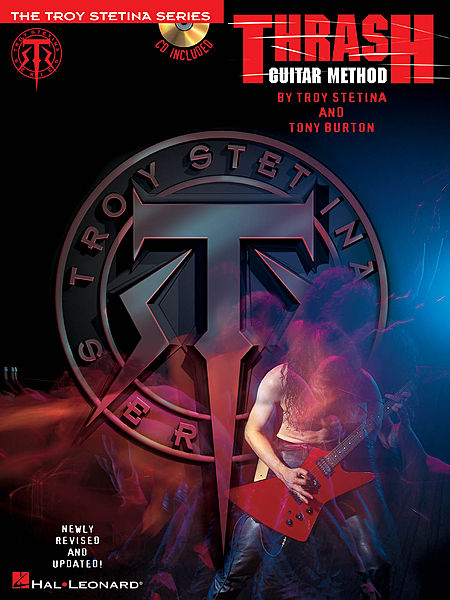
THRASH GUITAR METHOD TROY STETINA BOOK & CD TABLATURE LIBRO METODO SPARTITI CHITARRA

THRASH GUITAR METHOD. Per ritmi precisi, un cucchiaino di Stetina tutti i giorni. SHEET MUSIC BOOK WITH CD & GUITAR TABLATURE.

LIBRO METODO DI MUSICA METAL, CON CD. 

SPARTITI PER CHITARRA CON: 

ACCORDI, TABLATURE. 

TECNICA, 

Series: Stylistic Method
Medium: Softcover with CD
Author: Troy Stetina

Let the mosh begin! Learn the techniques and principles used by today's heaviest bands including Metallica, Anthrax, Testament, and others. This truly radical method book takes you from slow grinding metal up to the fastest thrashing. Syncopation, shifting accents, thrash theory, progressions, chromatic 'ear-twisting ' melodic dissonances, shifting time signatures, harmony, and more. CD features bull band accompaniment for all musical examples so that you can play along with the band. Fully transcribed in tablature! 64 pages

Anvil Head (Stetina/Burton)
Bug Guts (Stetina/Burton)
Megadirt (Stetina/Burton)


Thrash Guitar Method

1 "Bug Guts" 3:06

2 "Megadirt" 3:00

3 "Anvilhead" 3:59

4 Chapter1 - Tuning Notes 0:43

5 The Beat 1:01

6 Muting 0:35

7 Accenting Chords 1:30

8 Syncopation and Upbeats 2:46

9 Shifting Accents 2:01

10 "All things Repulsive" 2:17

11 Chapter2 - Alternate Picking 1:05

12 Gallop and Reverse Gallop 2:57

13 Syncopation and Offbeats 0:54

14 Triplets 1:45

15 "Worm Juice and Bat's Heads" 3:15

16 Chapter3 - Common Scales 1:43

17 Chord Progressions and Riffs 0:14

18 Melodic Principles 1:35

19 Harmony 2:49

20 Time Signatures 2:35

21 Shifting Time Signatures 1:44

22 "The Sound of Music!!" 1:53

Prezzo: €29,99
€29,99
Condividi contenuti